
Transform Your Health Through Mindful Eating
Discover the science-backed principles of balanced nutrition designed for modern life. Learn how to nourish your body, boost your energy, and build sustainable healthy habits that last.
Impact by the Numbers
Natural Approach
Science-based nutrition guidance free from synthetic quick fixes
Growing Community
Thousands of readers trust our editorial content daily
Evidence-Based
Every recommendation rooted in peer-reviewed nutrition science
Holistic Wellness
Balanced approach integrating mind, body, and sustainable habits
Why Balanced Nutrition Matters
Proper nutrition is the foundation of physical health, mental clarity, and long-term wellbeing. When you eat with intention and knowledge, you're not just fueling your body—you're investing in every aspect of your life.
At Naturalhabitsbalance, we believe that sustainable health comes from understanding nutrition principles, not following restrictive fads. Our editorial content empowers you to make informed choices about what you eat, why macronutrients matter, and how to build eating patterns that support your unique lifestyle.
- Energy Balance: Understand how calories, macros, and micronutrients fuel daily activity
- Digestive Health: Learn which foods support optimal gut function and nutrient absorption
- Mental Clarity: Discover how nutrition impacts focus, mood, and cognitive performance

Core Pillars of Nutrition
Whole Foods
Prioritize unprocessed, nutrient-dense foods including vegetables, fruits, whole grains, legumes, nuts, and quality proteins. Whole foods provide sustained energy and essential micronutrients your body needs.
Macronutrient Balance
Proteins, carbohydrates, and fats each play vital roles. Understanding the right balance for your body composition, activity level, and health goals enables sustainable, long-term results.
Hydration & Habits
Consistent water intake and mindful eating patterns support digestion, energy, and mental performance. Building sustainable daily habits matters more than perfection.
Micronutrient Awareness
Vitamins and minerals regulate hundreds of body functions. Learn which foods are rich sources and how seasonal eating naturally supports your micronutrient needs.
Meal Timing
When you eat impacts digestion, energy levels, and nutrient absorption. Discover meal timing strategies that align with your daily rhythm and fitness goals.
Mindful Eating
Cultivate awareness of hunger cues, portion sizes, and food choices. Mindfulness transforms eating from automatic habit into intentional nourishment of your body and mind.
Inspiring Meal Ideas

Nutrient-Rich Buddha Bowls
Explore the art of building balanced bowls combining whole grains, colorful vegetables, quality proteins, and healthy fats. Learn composition principles that work for any cuisine or dietary preference.
Read More
Seasonal Eating Guide
Discover how eating with the seasons naturally supports nutrient intake, reduces cost, and minimizes environmental impact. Learn which produce peaks in each season and how to build meals around availability.
Learn More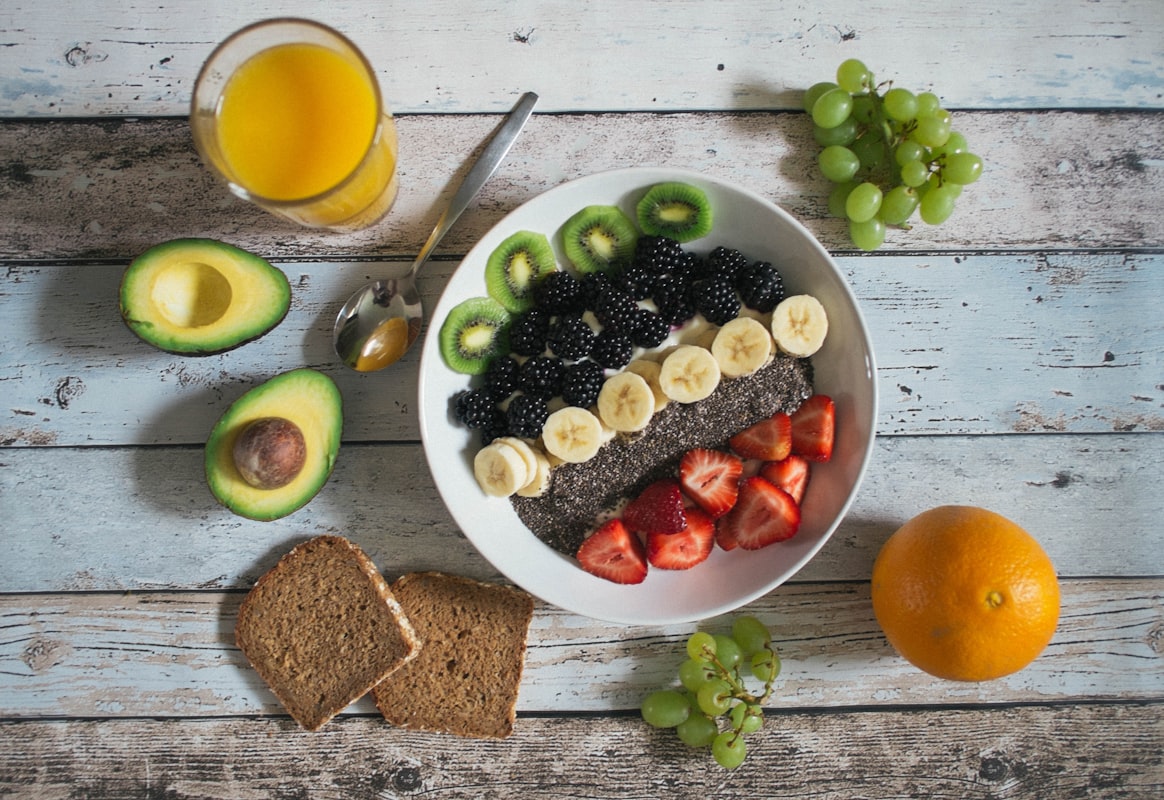
Breakfast for Sustained Energy
Understand why breakfast composition matters for energy, focus, and appetite control throughout your day. Explore protein-rich, fibre-packed options that keep you satisfied until lunch.
Discover Recipes
Meal Prep Strategies
Learn practical techniques for preparing nutritious meals in advance without sacrifice taste or nutritional value. Explore batch cooking, storage methods, and simple recipes that scale for the week.
View GuidesCommon Questions About Daily Nutrition
Protein needs vary based on body weight, activity level, age, and health goals. The general recommendation is 0.8 grams per kilogram of body weight for sedentary adults, but athletes or those building muscle may benefit from 1.2–2.0 grams per kilogram. Focus on distributing protein across meals (about 25–40g per meal) to optimize muscle protein synthesis. Quality sources include lean meats, fish, eggs, dairy, legumes, nuts, and seeds. Individual assessment with a nutrition professional can help determine your specific needs.
The "best" meal frequency depends on your lifestyle, hunger patterns, and preferences. Some people thrive with three balanced meals, while others prefer smaller, frequent snacks. What matters most is total daily nutrition intake, consistency, and whether your eating pattern supports your energy and satiety. Focus on choosing whole foods, meeting your macro and micronutrient targets, and building habits you can sustain long-term. Experiment to find what helps you feel energised, focused, and satisfied.
Absolutely. Sustainable nutrition is built on balance, not deprivation. The 80/20 principle suggests that when 80 percent of your diet consists of whole, nutrient-dense foods, you have flexibility for foods you love. Restrictive approaches often fail long-term. Instead, learn to incorporate favourite foods mindfully within your overall nutritional framework. This builds positive relationships with food and enables lasting, healthy habits. The key is understanding portions, nutritional content, and how different foods fit into your overall plan.
Carbohydrates are essential macronutrients that fuel your brain, muscles, and organs. The quality matters: whole grains, legumes, fruits, and vegetables provide sustained energy and fibre, while refined carbohydrates offer quick energy but less nutritional density. Most people benefit from carbohydrates comprising 45–65 percent of total calories, focused on complex sources. Timing around exercise can optimise performance and recovery. Individual needs vary based on activity level, health status, and personal goals. Focus on whole food carbohydrate sources and pairing them with protein and healthy fats for stable blood sugar.
Proper hydration supports energy, digestion, cognitive function, and physical performance. A common recommendation is about 8–10 glasses (2–3 litres) daily, but individual needs vary based on activity level, climate, and body size. Simple practices include drinking water with each meal, carrying a reusable bottle, and paying attention to thirst cues. Fruits, vegetables, and beverages like tea and coffee also contribute to hydration. Monitor urine colour—pale yellow typically indicates good hydration—and adjust based on exercise intensity and environmental conditions. Consistent, mindful hydration is easier to maintain than sporadic large volumes.
Real Stories from Our Community
Readers across the United Kingdom share how understanding balanced nutrition transformed their daily energy, health, and relationship with food.
"I struggled for years trying restrictive diets, always failing and feeling guilty. Naturalhabitsbalance's articles helped me understand nutrition principles instead of chasing quick fixes. Now I enjoy balanced meals, have steady energy all day, and don't obsess over food. This approach actually works because it's sustainable."
Sarah Mitchell
Manchester, United Kingdom
"As a busy professional, I didn't have time for complicated meal plans. The meal prep guides and simple recipes showed me how to prepare nutritious food efficiently. I've never felt better, my concentration at work improved, and I finally understand what balanced nutrition actually means."
James Porter
London, United Kingdom
"Your content about macronutrient balance helped me achieve my fitness goals without feeling deprived. I learned which foods work best around my workouts and how to fuel properly. The science-backed approach gives me confidence that I'm making smart nutritional choices."
Emma Thompson
Edinburgh, United Kingdom
Start Your Nutrition Journey Today
Explore evidence-based articles, practical guides, and inspiring meal ideas. Our editorial team is here to help you build sustainable healthy habits through education and community support.
Have questions about our content? We'd love to hear from you at [email protected] or contact us at Station Road 27, Edinburgh.